Dubai Move-In Logistics: Lifts, Permits and Packing
The truck is rarely the hard part of a move in Dubai. The hard part is everything that happens between the truck and your front door: lift reservations, security passes, parking restrictions and the paperwork your building expects. Understanding the rules for loading unloading Dubai before moving day can save you hours and a fair amount of stress.
This article is aimed at property managers, tenants and owners who want a predictable move-in or move-out in 2026. It explains the building-side process, how to estimate packing needs and what a professional crew should be doing on site.
How Building Move Rules Typically Work
Every tower and community has its own procedure, but most follow a similar pattern. The tenant or owner submits a move request through the management office or an online portal. The building confirms a time slot, usually in blocks of two to four hours, and issues passes for the crew.
Common conditions include:
- Moves allowed only between set hours, often 8am to 6pm, with limits on Fridays.
- Padding required on lift walls and a protected route through the lobby.
- A refundable deposit that is returned after a damage check.
- Designated loading bay, with restrictions on truck height and size.
Ask the management office for the written rules, and share them with your mover so the crew arrives with the right vehicle and equipment.
What Professional Loading and Unloading Involves
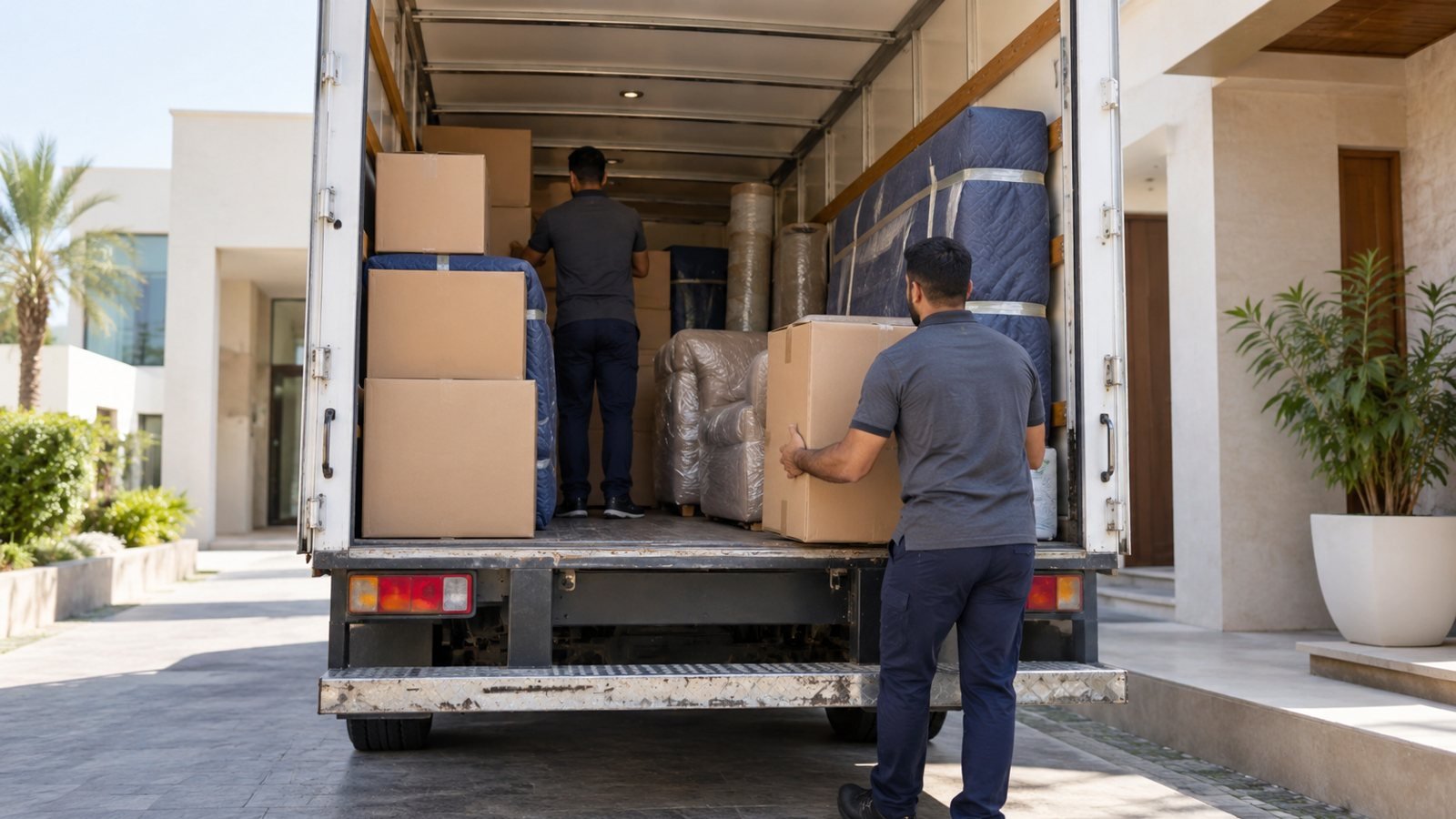
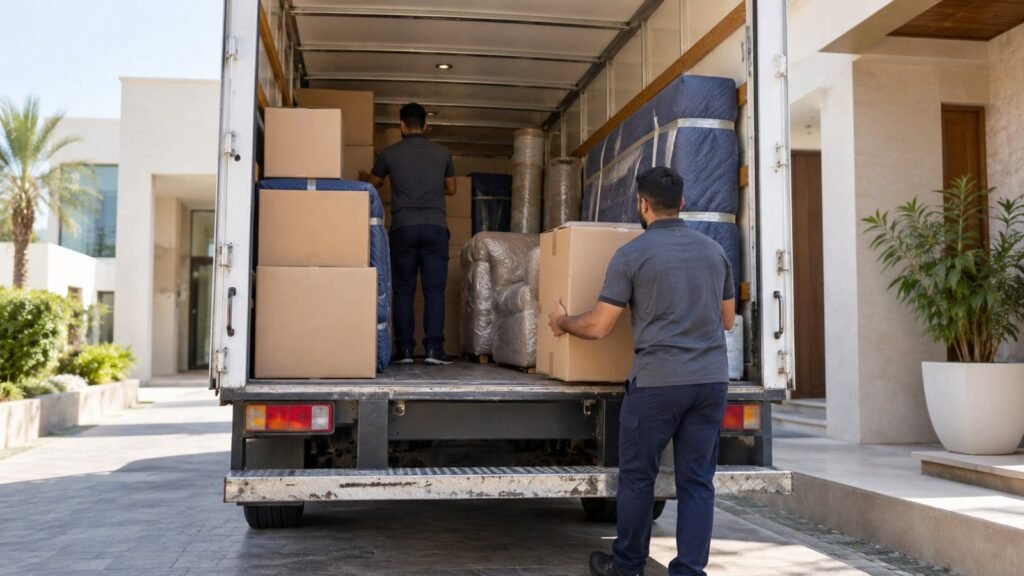
Good loading is a technique, not just strength. Crews work room by room, wrap furniture in blankets, protect corners and stack boxes so the heaviest items sit at the bottom. Trolleys, straps and lift pads protect walls, doors and flooring during the trip.
On loading day
A supervisor should walk the property with you, note existing damage and confirm which items are fragile. Furniture is disassembled where needed, with screws bagged and labelled by piece.
On unloading day
Items go straight to their final rooms based on your floor plan. Beds and wardrobes are reassembled first, followed by dining furniture, so the household can function the first night.
Packing Material: What You Actually Need
Under-buying supplies is the most common planning mistake. Buy or arrange more boxes than you think you need, because running out mid-pack stalls everything. Many households source packing material Dubai through their mover, which keeps box sizes consistent and stacking safe.
| Item | Best use | Rough quantity for a 2-bedroom flat |
|---|---|---|
| Medium boxes | Kitchenware, books, small appliances | 25 to 35 |
| Large boxes | Bedding, cushions, light items | 10 to 15 |
| Wardrobe boxes | Hanging clothes | 4 to 6 |
| Bubble wrap and paper | Glassware, ceramics, frames | 2 to 3 rolls |
| Tape and markers | Sealing and labelling | 6 rolls, 3 markers |
These are estimates only. A household with a large kitchen or book collection will need more.
How Should You Prepare Your Boxes?
Follow a simple routine that keeps weight manageable and labels useful.
- Pack heavy items such as books in small boxes, and light items in large ones.
- Fill gaps with paper so contents do not shift.
- Label each box with the destination room and a short content note.
- Mark fragile boxes on two sides and the top.
- Keep valuables, documents and chargers with you rather than on the truck.
This system speeds unloading because crews do not need to ask where each box belongs.
A Manager’s Tip: Walk the Route First
Property managers can reduce complaints by walking the planned move route with the crew supervisor before work starts. Check the lift height against tall wardrobes, the turning space in corridors and any tight door frames. Ten minutes spent here prevents the classic situation where a sofa gets stuck in a stairwell and blocks other residents.
For vehicle rules and road restrictions that may affect large trucks, the Roads and Transport Authority publishes guidance on its official website. Confirm anything that affects loading zones in your area.
Common Move-Day Problems and Fixes
Even a well-planned move meets surprises. Knowing the usual ones helps you respond calmly rather than lose the lift slot.
- The lift is out of service: ask management for the backup lift or a rescheduled slot, and keep the crew paid only for actual working time where possible.
- The truck is too tall for the parking entrance: confirm height limits in advance and consider a smaller vehicle with two trips.
- A sofa will not fit through the door: remove legs or the door itself, and measure before purchasing new furniture.
- The security pass list is incomplete: send full names and ID numbers well before the move.
Property managers can help by publishing a short move-in checklist for residents and holding the loading bay clear during booked slots. Tenants, in turn, should cancel unused slots early so neighbours can take them.
Why Documentation Matters
Keep a copy of the approved move request, crew passes and any condition report. When a scratch on a lift wall is found, a dated photo taken before the move settles the question quickly and fairly for everyone involved.
Frequently Asked Questions
How long does loading and unloading take?
A one-bedroom flat can take two to four hours at each end, while a villa may take most of a day. Lift availability and parking distance change the figure significantly.
Do I need to empty my wardrobes before the move?
Usually yes. Emptying wardrobes keeps weight safe and lets crews wrap and disassemble them properly. Hanging clothes can go straight into wardrobe boxes.
Who is responsible for damage to the building?
Typically the tenant is responsible to the building, and the moving company is responsible to the tenant. A reputable mover carries insurance and will explain claim steps in the contract.
Should I tip the crew?
It is not required, but many customers offer a small thank-you for a smooth, careful move. Cold water on a summer day is always appreciated.
Plan the Handover, Not Only the Truck
Strong logistics make moving day uneventful: approved lift slots, correct packing material, labelled boxes and an organised crew. Share this plan with your building team and your crew, and ask trusted professionals for help whenever a step falls outside your experience. Smooth moves in 2026 start with a good plan, long before the first box is lifted.