Heavy Duty Dog Waste Bags: The 2026 Buyer’s Guide
Every dog owner learns the same lesson eventually: not all cleanup bags are created equal. A flimsy sack that tears at the worst possible moment turns a simple walk into a genuine problem. That is why heavy duty dog waste bags have become the quiet upgrade that seasoned pet parents refuse to give up in 2026.
This guide breaks down what actually matters when you shop for durable waste bags, how thickness and material affect performance, and how to match a bag to your dog and your routine. By the end, you will know exactly what to look for and why cutting corners here rarely pays off.
Why Heavy Duty Dog Waste Bags Beat the Cheap Alternatives
Thin bargain bags feel economical until the first puncture. A single tear means a ruined walk, contaminated hands, and a mess you did not sign up for. Heavier bags resist punctures from sticks, gravel, and rough terrain, which is exactly where most failures happen.
Durability also affects hygiene. A bag that holds its seal keeps odor contained and prevents leaks in your pocket or your car. When you choose heavy Dog duty Bags, you are really buying peace of mind for every outing, from a quick backyard sweep to a long trail hike.
There is an environmental angle too. The U.S. Environmental Protection Agency classifies pet waste as a genuine source of water pollution, which you can read about through the EPA’s nonpoint source pollution program. Reliable bags make responsible disposal far easier to maintain.
What Makes a Waste Bag Truly Heavy Duty?
Marketing labels are cheap, so learn to read the specs instead. A few measurable factors separate a genuinely tough bag from a repackaged budget product.
- Thickness (microns): Standard bags run around 12-15 microns, while heavy duty options reach 18-25 microns or more.
- Material: Look for high-density polyethylene or plant-based blends that balance strength with a smaller footprint.
- Seal quality: A tight, reliable tie-off keeps odor and moisture locked in.
- Size: Larger bags suit big breeds and multi-dog households without stretching thin.
- Grip and opening: Textured edges and easy-open lips save frustration on cold mornings.
Comparing Bag Types Side by Side
The table below shows how common categories stack up so you can weigh strength against convenience and cost.
| Bag Type | Typical Thickness | Best For | Trade-Off |
|---|---|---|---|
| Standard economy | 12-15 microns | Small dogs, short walks | Tears easily |
| Heavy duty | 18-25 microns | Large breeds, trails | Slightly higher cost |
| Compostable | 15-20 microns | Eco-focused owners | Shorter shelf life |
| Scented | 15-20 microns | Odor-sensitive homes | Fragrance not for everyone |
How to Choose the Right Bag for Your Dog
Matching a bag to your specific situation is easier than it sounds. Follow these steps and you will rarely buy the wrong product twice.
- Weigh your dog’s output. Larger breeds produce more, so size up on both length and thickness.
- Consider your terrain. Rocky trails and gravel demand puncture resistance that soft grass does not.
- Check your dispenser. Roll diameter matters if you clip a dispenser to the leash.
- Factor in climate. Cold weather stiffens thin plastic, so heavier bags open more reliably in winter.
- Buy in sensible bulk. Bulk pricing lowers cost per bag without sacrificing quality.
One practical tip from years of daily walks: keep a spare bundle in your coat, your car, and your dog’s carrier. Running out mid-walk is the single most common reason owners resort to poor improvised solutions.
Pairing Bags With the Right Scooper
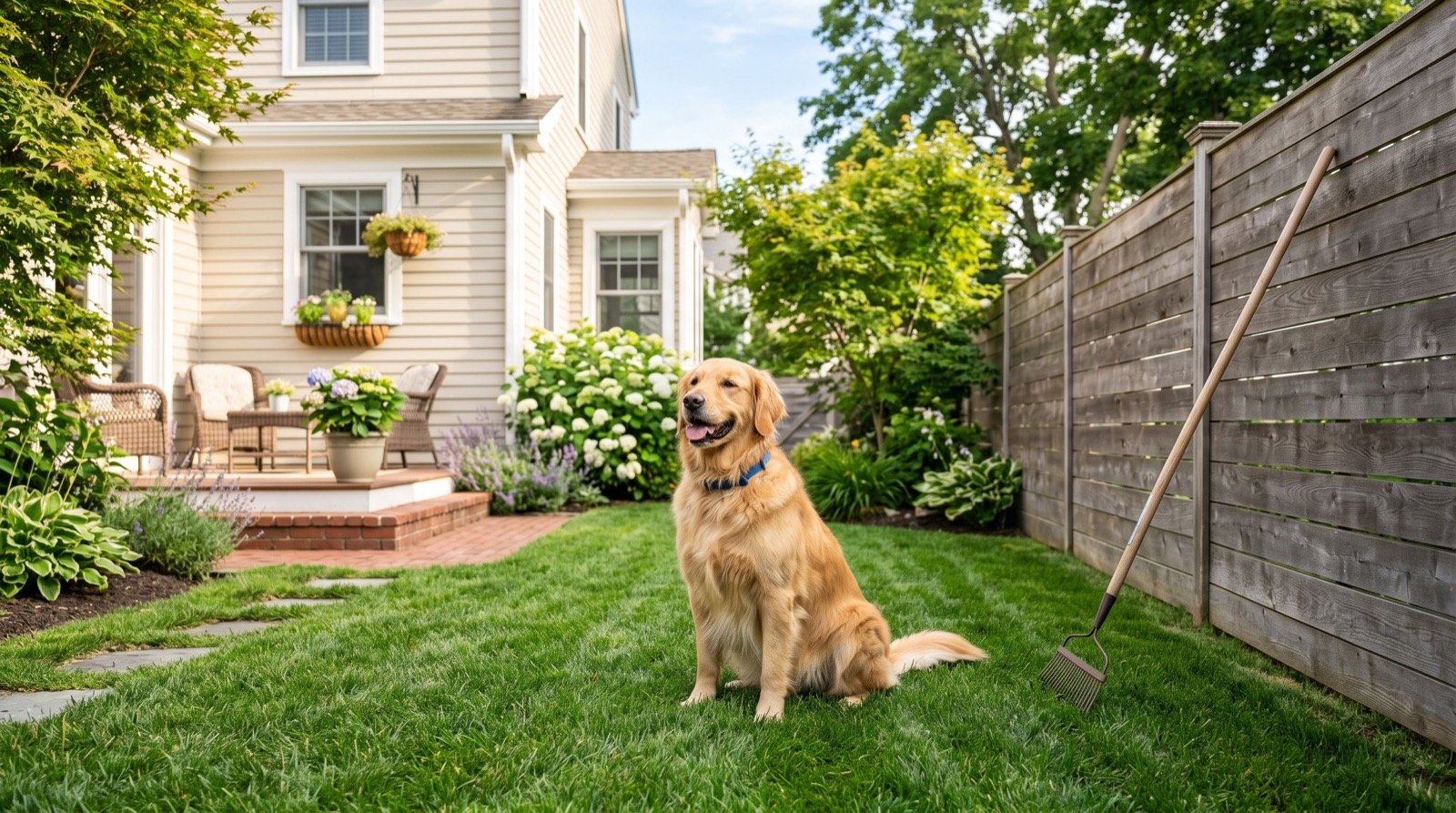
Bags handle collection, but a good scooper handles the reach. If bending down aggravates your back or you manage a yard rather than a sidewalk, a quality tool changes the experience entirely. Many owners searching for a Pooper Scooper nearby pair it with heavy duty bags for a complete, mess-free system.
The combination matters most for large yards, senior owners, and anyone managing multiple dogs. A scooper reduces contact, and a strong bag keeps the collected waste secure until you reach a bin. Together they turn a chore into a thirty-second task.
If you are also researching reliable home and property services beyond pet care, you can find quality service providers covered elsewhere on this site.
Storage and Disposal Best Practices
Even the best bag underperforms if you store it badly. Keep rolls out of direct sunlight, since UV exposure weakens plastic over time. Store dispensers away from extreme heat, which can make some materials brittle or sticky.
For disposal, always use designated bins rather than storm drains or compost piles not rated for pet waste. Responsible disposal protects local waterways and keeps shared spaces pleasant for everyone in your community.
Seasonal Factors That Affect Bag Performance
Weather changes how bags behave more than most owners realize. In winter, thin plastic stiffens and cracks, making bags harder to open with cold or gloved hands. Heavy duty bags stay flexible longer, which is a genuine advantage during frosty morning walks.
Summer brings the opposite challenge. Heat accelerates odor and can make some plastics tacky or brittle if stored in a hot car. A thicker, well-sealed bag contains smell far better on warm days, keeping your vehicle and pockets fresh.
Rain adds its own test. Wet ground and muddy paws mean waste is often mixed with debris and moisture, exactly the conditions that expose weak bags. A puncture-resistant, leak-proof bag shrugs off these situations while a bargain roll fails. Matching your bag choice to the season is a small habit that pays off all year long.
Frequently Asked Questions
Are heavy duty dog waste bags worth the extra cost?
Yes. The small price difference per bag is minor compared with the mess and hassle a single tear creates. For large breeds and outdoor walks, the upgrade pays for itself quickly.
Can I flush dog waste bags down the toilet?
No. Even bags labeled flushable can clog household plumbing and municipal systems. Always dispose of bags in a proper waste bin unless your city explicitly supports flushable pet waste products.
Do compostable bags perform as well as standard heavy duty bags?
Compostable options have improved a lot by 2026, but they generally have a shorter shelf life and can degrade in humid storage. If you prioritize the environment, buy smaller quantities and use them within a few months.
What thickness should I look for in a heavy duty bag?
Aim for at least 18 microns for everyday durability, and consider 20-25 microns if you walk on rough terrain or own a large dog.
Final Thoughts on Heavy Duty Dog Waste Bags
Choosing the right heavy duty dog waste bags is one of the simplest upgrades a dog owner can make in 2026. Prioritize thickness, seal quality, and the correct size, then pair your bags with a dependable scooper for a system that never lets you down. Spend a little more upfront and you will spend far less time dealing with avoidable messes for the rest of the year.